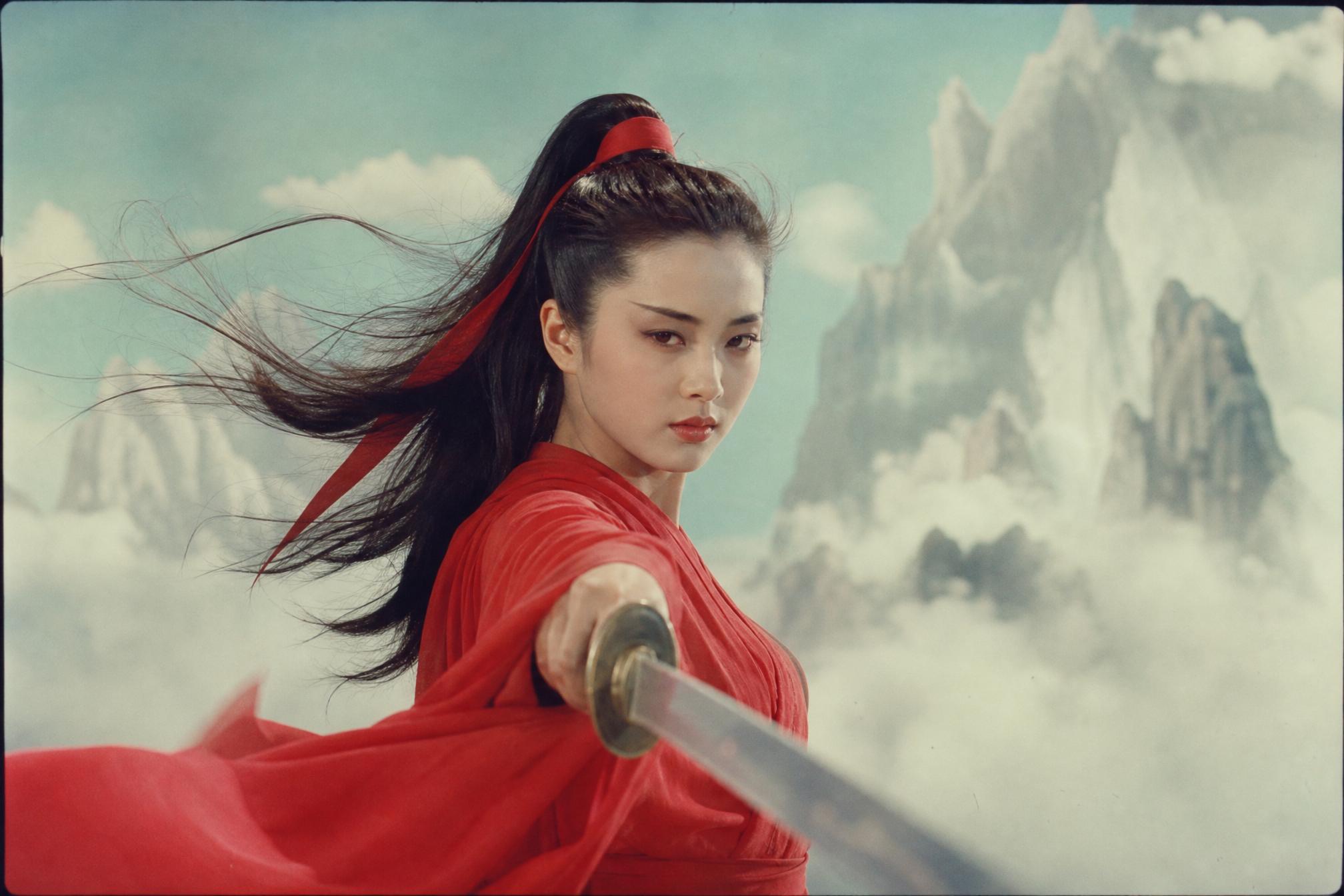
Are you still using Seedance 2.0 just for dance videos? Think again — its capabilities go far beyond that.
Seedance 2.0 isn't just a motion generator; it's a cinematic studio in your hands. With the right prompts, it can produce footage that looks like it was lifted from a period film — complete with period‑accurate lighting, film‑stock color grading, and art‑directed set design that rivals professional productions.
But here's where it gets really interesting. Have you ever wondered what would happen if you took the iconic characters from classic Chinese cinema — the celestial maidens of The Legend of White Snake, the mischievous Monkey King from Journey to the West, the graceful warriors of Shaw Brothers epics — and transported them into the gilded salons of 18th‑century France?
What does the White Snake look like in a powdered wig and pannier skirt? What becomes of the Monkey King when surrounded by pastel Rococo opulence? These aren't just visual experiments — they're creative provocations that challenge how we think about style, culture, and the limits of AI.
From the flowing silk robes of an ancient Chinese court to the ornate decadence of Versailles, Seedance 2.0 can transform your ideas into moving, breathing cinematic frames — no film crew, no expensive sets, just your creativity and the right prompt.
In this guide, we'll show you how to push Seedance 2.0 beyond its obvious uses and generate professional‑grade AI videos that fuse Eastern classical aesthetics with Western Rococo opulence. If you're ready to stop making dance loops and start creating cross‑cultural cinematic art, read on.
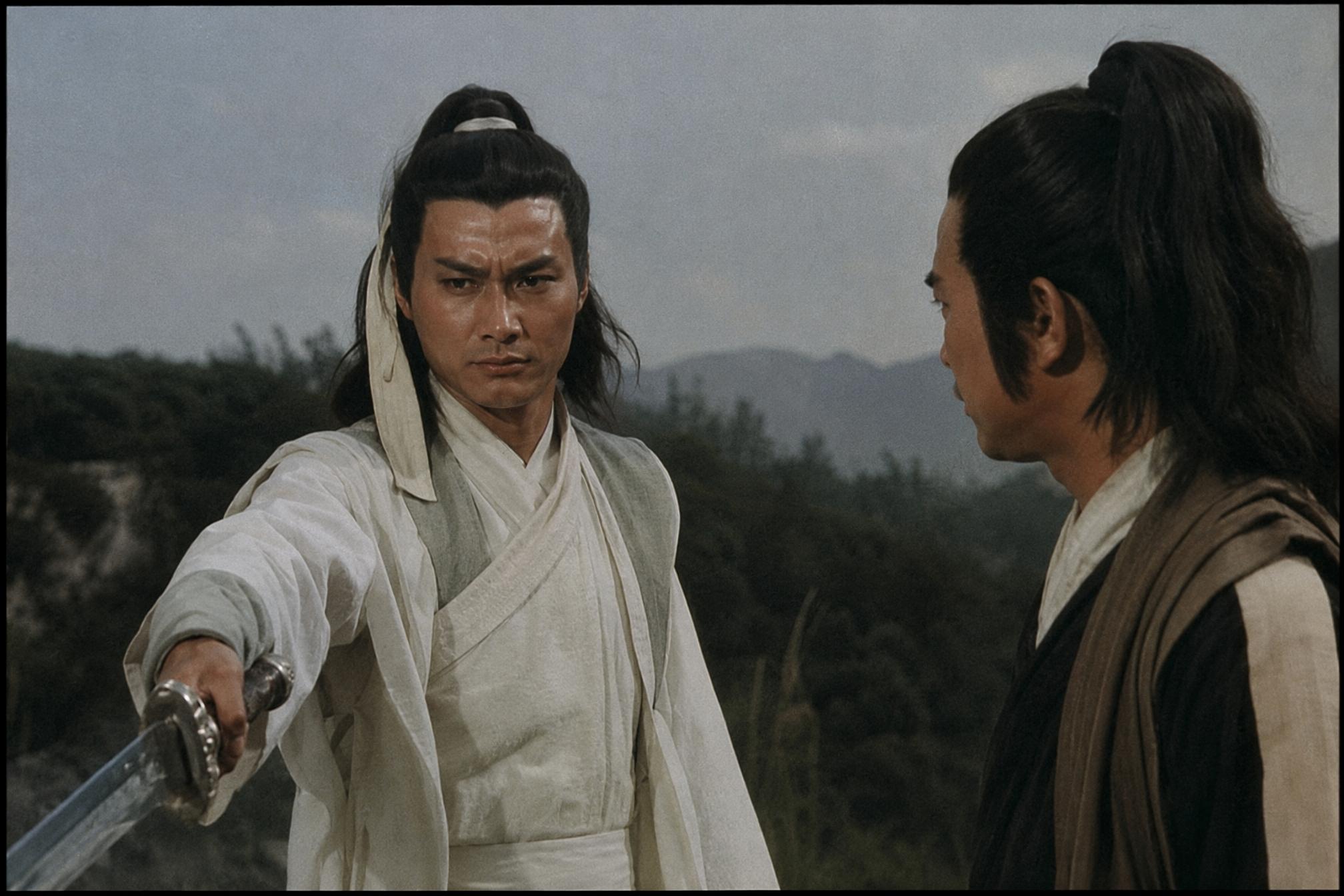
Why Ancient Chinese Cinema Aesthetics Still Matter
The golden age of Chinese cinema — think films like Journey to the East, The Legend of the White Snake, or the Shaw Brothers classics — developed a visual language that's instantly recognizable and deeply influential:
- Theatrical formalism: Characters move with a deliberate, almost operatic grace, influenced by traditional Chinese opera
- Poetic landscapes: Misty mountains, bamboo forests, ancient pavilions — nature isn't just a backdrop, it's a character itself
- Restrained elegance: Costumes flow, colors are rich but controlled, and there's a sense of stillness that feels almost meditative
- Symbolic storytelling: Every gesture, every glance, every fold of fabric carries deep meaning
This aesthetic doesn't just look beautiful — it carries emotional weight. It's a visual language that speaks to something timeless.
And now, with AI, you can bring that language into motion.
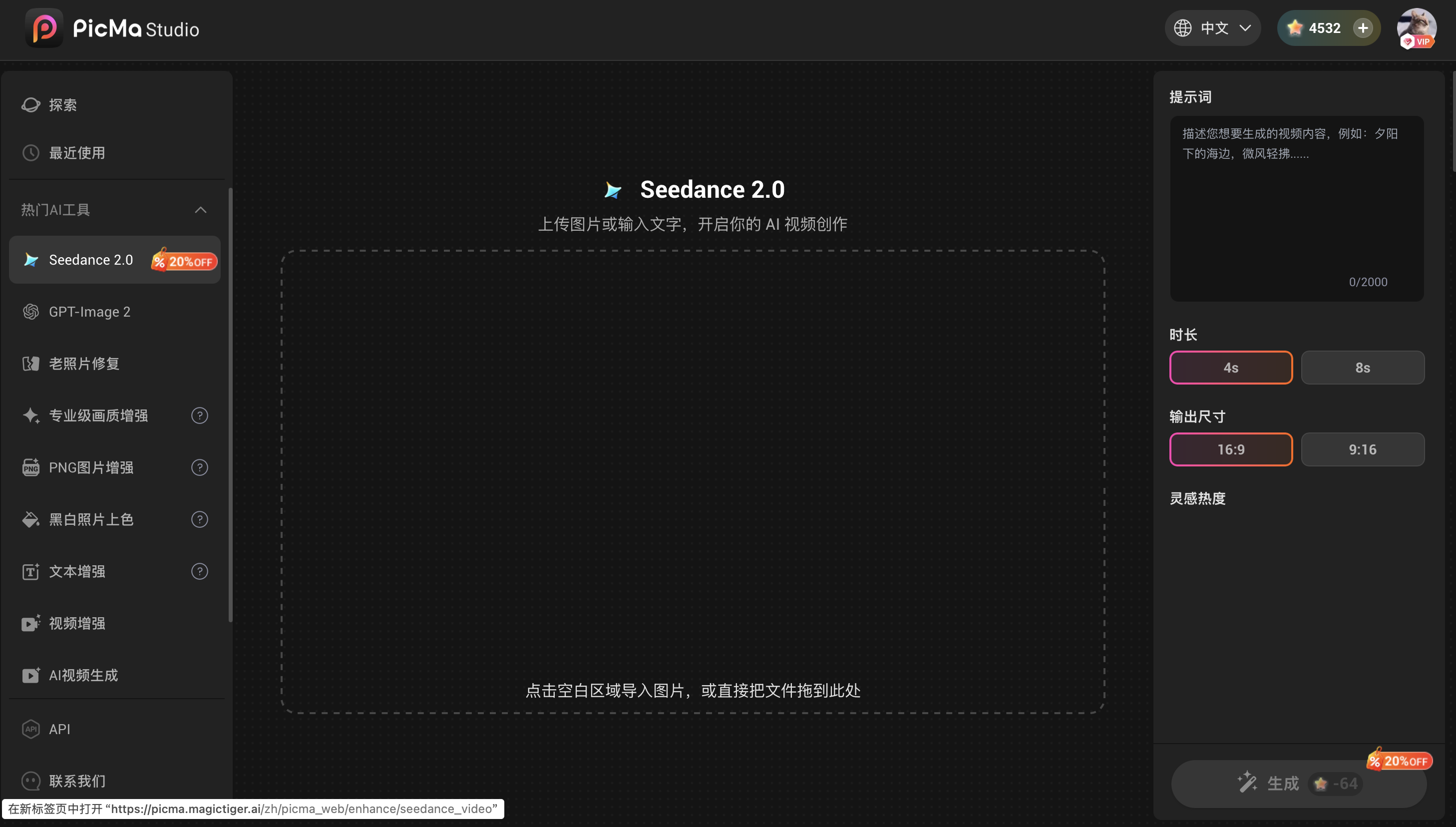
How to Generate Ancient Chinese Characters with PicMa Studio
Seedance 2.0 is even more powerful because you can start with a reference image. This is ideal if you already have a still image — perhaps generated by PicMa's image tools — that you want to bring to life.
Workflow:
- Generate or source a reference image in the classical Chinese style
- Write your Seedance 2.0 prompt describing the character and their movement
- Generate the video with detailed motion guidance
Example Prompt for Seedance 2.0:
Use Agfacolor film‑stock color grading to achieve translucent cyan‑green layers. Apply high‑key studio soft lighting with minimal shadows and blown‑out highlights. Employ miniature sets and hand‑painted matte backdrops to reinforce an artificial, stage‑like atmosphere. Unify color, lighting, and mise‑en‑scène to naturally evoke a sense of period authenticity and Eastern classical beauty.
Practical Tips for Better Results
1. Be Specific About the Era
"Classical Chinese film" covers a lot of ground. Be more specific: "1960s Shaw Brothers," "1970s Hong Kong cinema," or "golden-age Chinese opera films." The more specific you are, the better the AI's interpretation.
2. Use Color as Your Guide
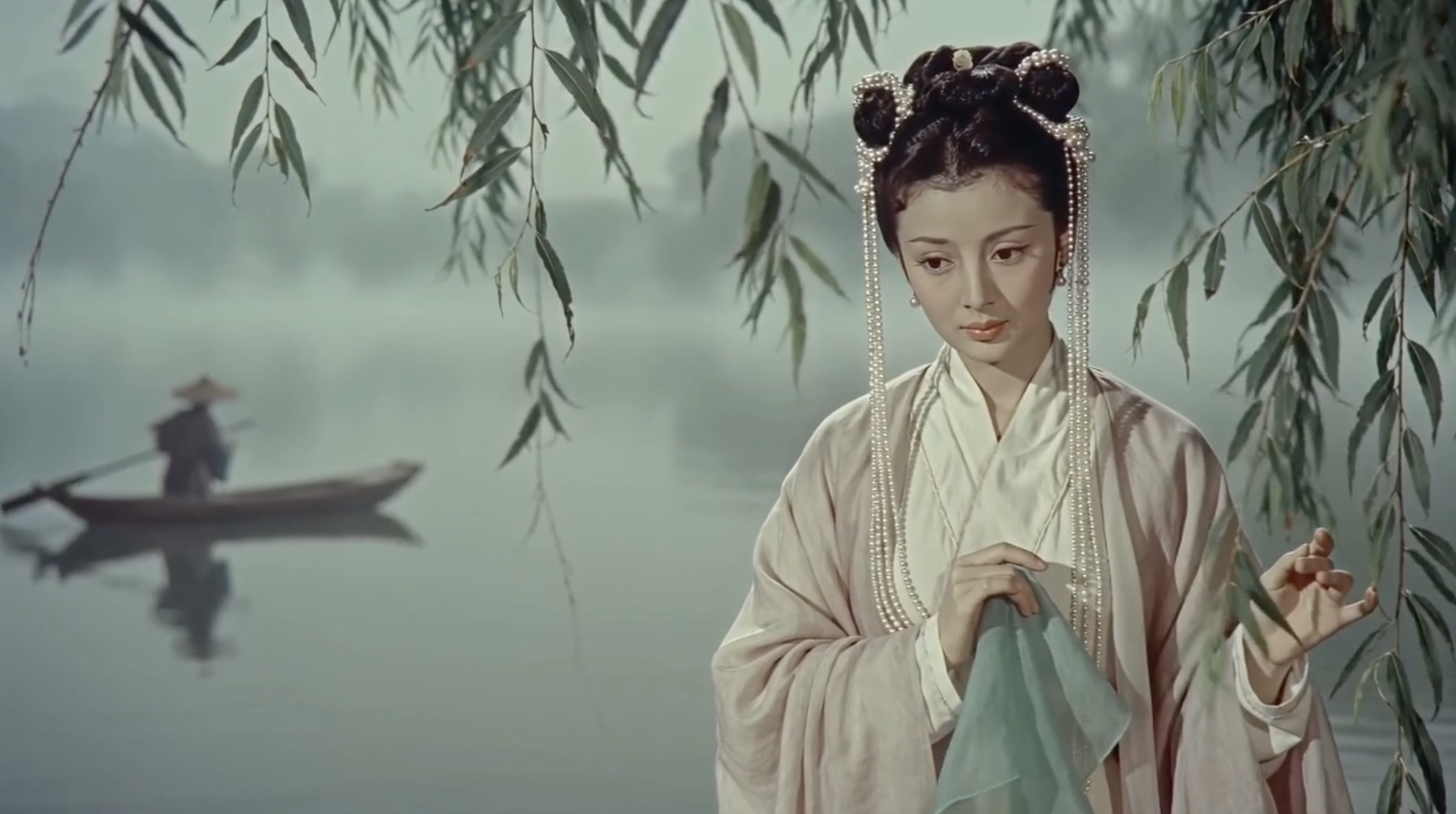
Deep crimson, imperial gold, jade green, and ivory white are staples of classical Chinese cinema. Include these in your prompts for authenticity.
3. Mention the Setting
Misty mountains, ancient pavilions, bamboo forests, and moonlit lakes are iconic backdrops. They're not just scenery — they're part of the emotional language.
4. Focus on Movement
Chinese cinema is known for its slow, deliberate, graceful motion. Your characters shouldn't move like modern action heroes. Use words like "flowing," "gliding," "serene," and "theatrical."
5. Don't Forget the Lighting
Soft, diffused lighting — often with a misty or golden quality — is central to this aesthetic. Include "cinematic lighting" and "soft focus" in your prompts.
Ready to Try It?
Open PicMa Studio and explore the AI video tool — Seedance 2.0 for image-based generation. It's available directly in your browser with no technical skills required.
Start with a simple prompt. See what happens. Then refine. The beauty of AI is that iteration is cheap — you can try a dozen variations in the time it used to take to render one frame.
Bring the golden age of Chinese cinema back to life — one frame at a time.

 90
90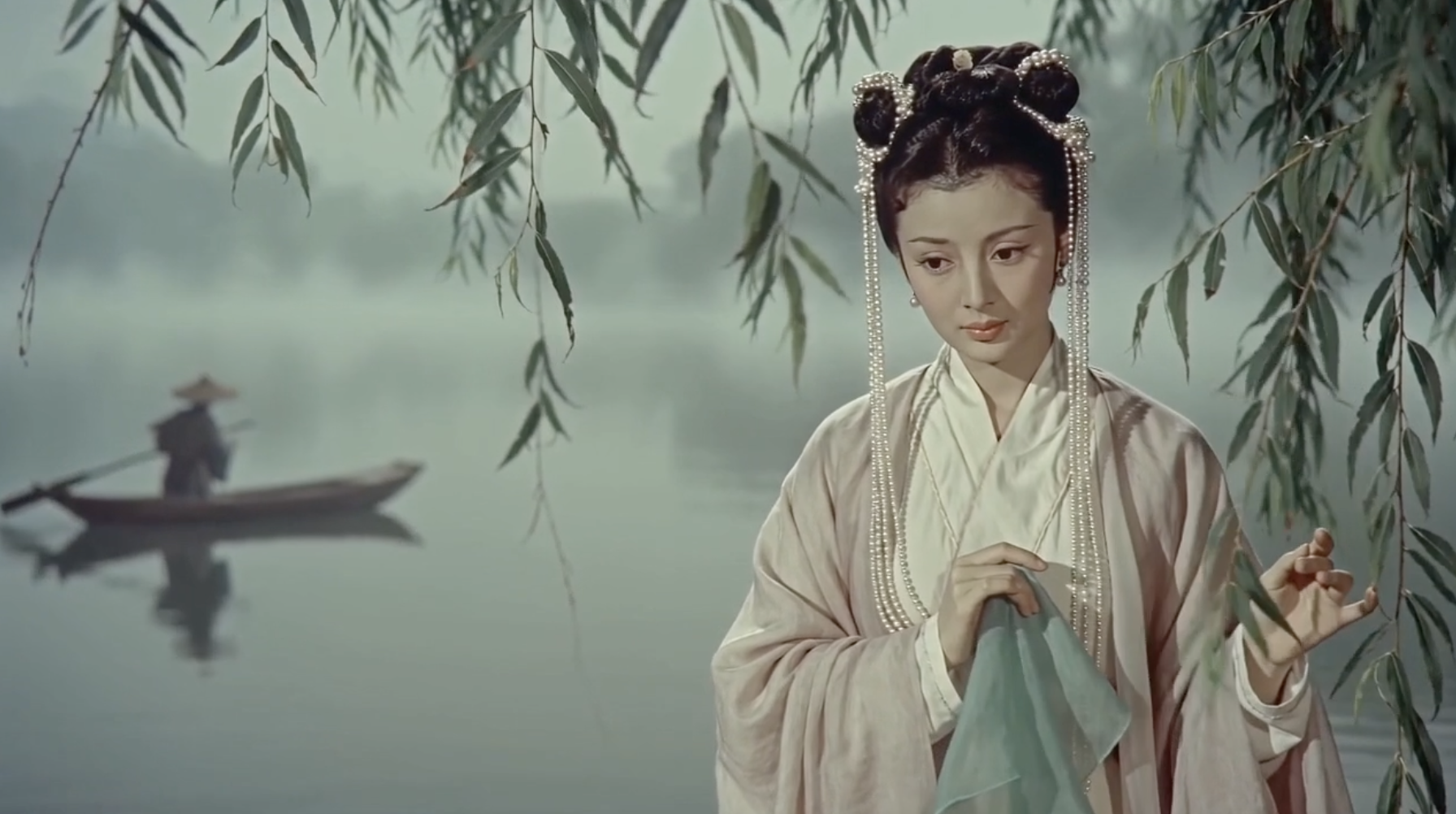

 English