Video has become the default language of the internet. Brands use it for ads, product demos, tutorials, social posts, explainers, landing pages, and customer education. Creators use it for TikTok, YouTube Shorts, Instagram Reels, product showcases, and personal storytelling. But traditional video production can be slow, expensive, and technically demanding.
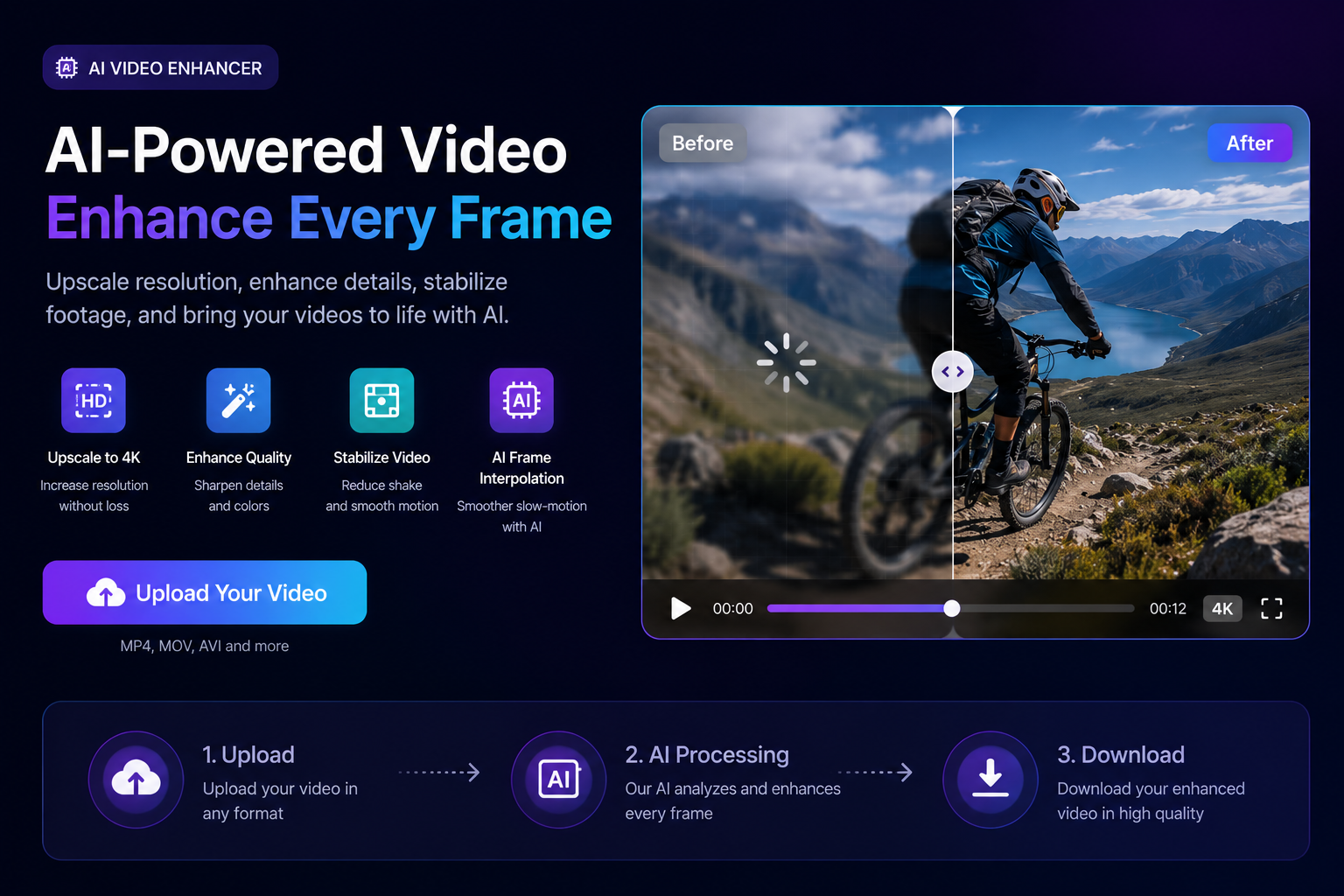
That is why AI Video has become one of the most important trends in digital content. AI video tools help users generate, enhance, edit, extend, or repurpose video content with less manual effort. They can support ideation, visual creation, motion effects, quality improvement, and creative experimentation.
PicMa Studio, available at https://picma.magictiger.ai/, is known primarily as a next-generation AI photo enhancer and all-in-one AI photo editor, but it also includes AI Video and Video Enhancer tools. Its AI Video feature is described as a way to create stunning, high-quality creative videos effortlessly. This makes PicMa relevant for users who want a combined image and video workflow rather than separate tools for every content format.
This article explains what AI Video is, how it works, where it fits into content production, and how platforms like PicMa can help creators move from enhanced images to creative videos.

What Is AI Video?
AI Video refers to video creation or editing powered by artificial intelligence. Depending on the tool, AI video can include text-to-video generation, image-to-video animation, video enhancement, motion stabilization, frame extension, background editing, object removal, style transfer, automatic subtitles, and video quality improvement.
At a basic level, AI studies patterns in visual data and uses those patterns to generate or improve moving images. For users, the benefit is speed. A task that once required a designer, editor, animator, or production team can become more accessible to a marketer, founder, student, seller, or independent creator.
AI video does not remove the need for creative judgment. Instead, it changes where humans spend their energy. Instead of manually building every frame, users can focus on concept, message, brand style, and final selection.
Why AI Video Is Growing
Several forces are driving the growth of AI video.
First, social platforms reward video. Short-form video is central to TikTok, Instagram Reels, YouTube Shorts, and many ad channels. Second, brands need more content variations than ever. A single campaign may need vertical videos, square ads, story formats, thumbnails, product clips, and localized versions. Third, production budgets are limited. Many teams need professional-looking content without hiring a full video crew.
AI video tools help solve these problems by making video creation faster and more scalable. They also make experimentation easier. A creator can test multiple visual concepts. An e-commerce seller can turn product images into promotional clips. A marketer can convert static assets into motion content. A designer can explore ideas before committing to a final production.
How PicMa Fits Into the AI Video Workflow
PicMa’s core strength is visual enhancement and editing. That matters for AI video because video quality often begins with the source image or visual asset. If a product image is blurry, a portrait is low-resolution, or a background is distracting, the resulting video may also look less professional.
PicMa gives users tools for preparing images before video creation:
• Photo Enhancer for clarity and detail
• AI Enhancer for resolution improvement and old photo repair
• Product Image Enhancer for e-commerce visuals
• Background Remover for cleaner product or portrait assets
• Object Remover for removing distractions
• Text Enhancer for readable text in images
• Color Master for colorizing old photos
• Stable Motion AI for fixing soft focus from fast-moving subjects
After image preparation, users can explore PicMa’s AI Video tool to create high-quality creative videos. The combination is useful because many AI video workflows start with a still image. A better input image can lead to a stronger video output.
AI Video Use Cases
Social Media Content
AI video is ideal for short-form content. Creators can turn static ideas into motion clips, generate visual hooks, and produce more variations for testing. A travel creator might enhance a landscape image and turn it into a motion-based visual. A beauty creator might create product-focused videos from polished product photos.
E-Commerce Promotion
Online sellers need video for ads, product pages, and social campaigns. With PicMa, an e-commerce workflow might start by enhancing a product photo, removing the background, creating a promotional poster, and then using AI Video to produce a creative clip.
Brand Storytelling
Brands often need visual stories but lack production resources. AI video can help create mood clips, concept visuals, launch teasers, and campaign assets.
Personal Memories
AI video can also be used for personal storytelling. A restored old photo can become part of a family video, tribute, or memory project. PicMa’s restoration and colorization tools make this especially relevant.
Educational and Tutorial Content
Teachers, coaches, and marketers can use AI video to create explainers or visual examples. Enhanced images and readable text assets can improve the final educational experience.
AI Video vs Traditional Video Production
Traditional video production is still important for high-end campaigns, interviews, documentaries, and live-action storytelling. It offers full control over camera movement, lighting, actors, sound, and direction. AI video is different. It is best for rapid creation, concept development, short-form content, and visual experimentation.
The strongest approach is often hybrid. Use AI to generate ideas, create drafts, enhance visuals, and produce simple assets quickly. Use traditional production when authenticity, live performance, or complex storytelling is required.
For many everyday use cases, AI video is enough to create compelling content. It can help small teams compete visually without needing a large production budget.
Best Practices for Creating AI Videos
Start with a clear goal. Are you creating a product ad, social hook, brand teaser, educational clip, or personal memory? The goal determines the style.
Use high-quality source visuals. If you are using images, enhance them first. PicMa’s image enhancement tools can improve clarity, lighting, resolution, and details before video generation.
Keep videos focused. Short AI videos often perform best when they communicate one idea clearly. Avoid overloading the clip with too many effects.
Review the output carefully. AI can produce impressive results, but users should check motion, faces, text, product accuracy, and brand consistency.
Optimize for platform format. A TikTok video, YouTube Short, Instagram Reel, website hero video, and product page clip may need different dimensions and pacing.
Conclusion
AI Video is changing creative production by making video creation faster, more accessible, and more scalable. It helps creators, brands, sellers, and everyday users turn visual ideas into motion content without traditional production complexity.
PicMa Studio is relevant because it connects AI photo editing with AI video creation. Users can enhance images, restore old photos, remove backgrounds, improve product visuals, sharpen text, and then explore AI Video and Video Enhancer tools. This makes PicMa useful for anyone who wants a broader creative workflow rather than a single-purpose tool.
As video continues to dominate digital platforms, AI video tools will become a standard part of content creation. The creators who benefit most will be those who combine AI speed with clear strategy, strong visuals, and careful human review.
Related Readings:

 125
125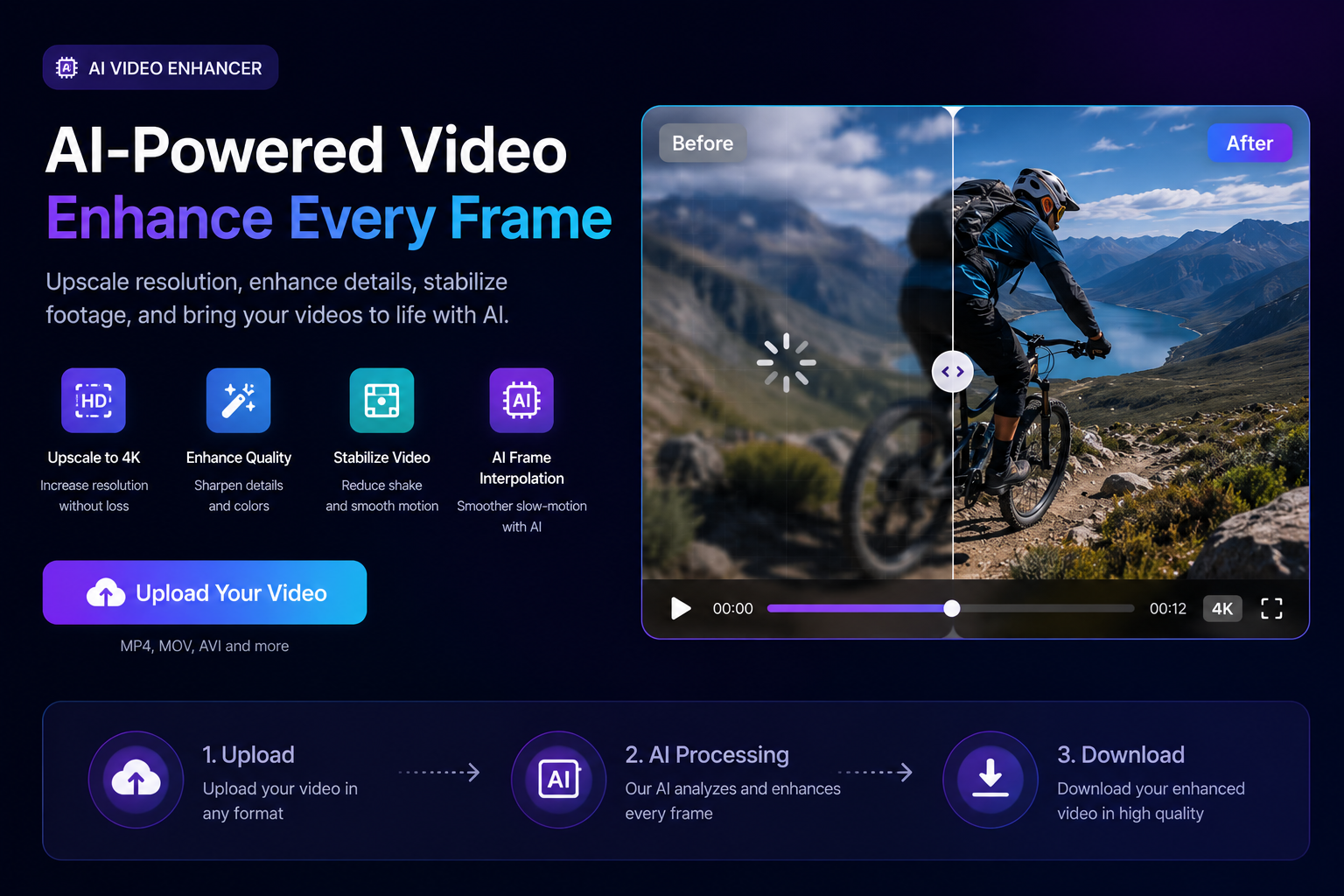

 English