We all have a few old Polaroids tucked away in a drawer somewhere. They’re not high-resolution digital shots. They’re a bit grainy, off-center, sometimes overexposed—but full of charm. More than that, they capture moments we didn’t pose for, moments we felt.
But here’s the quiet truth:
Those memories are slowly fading. And not just metaphorically.
You might not have realized it yet. But if you look closely, you’ll notice: colors aren’t as vibrant, edges are starting to blur, and some backgrounds have lost all their detail. It’s not nostalgia playing tricks—it’s your photo quite literally losing its information.
Why Polaroids Fade—And It’s Not Just About Time
Polaroids and instant film photos are built differently from traditional prints. They develop on the spot using internal chemical reactions sealed in a delicate structure. That immediacy is part of the magic—but also the weakness.
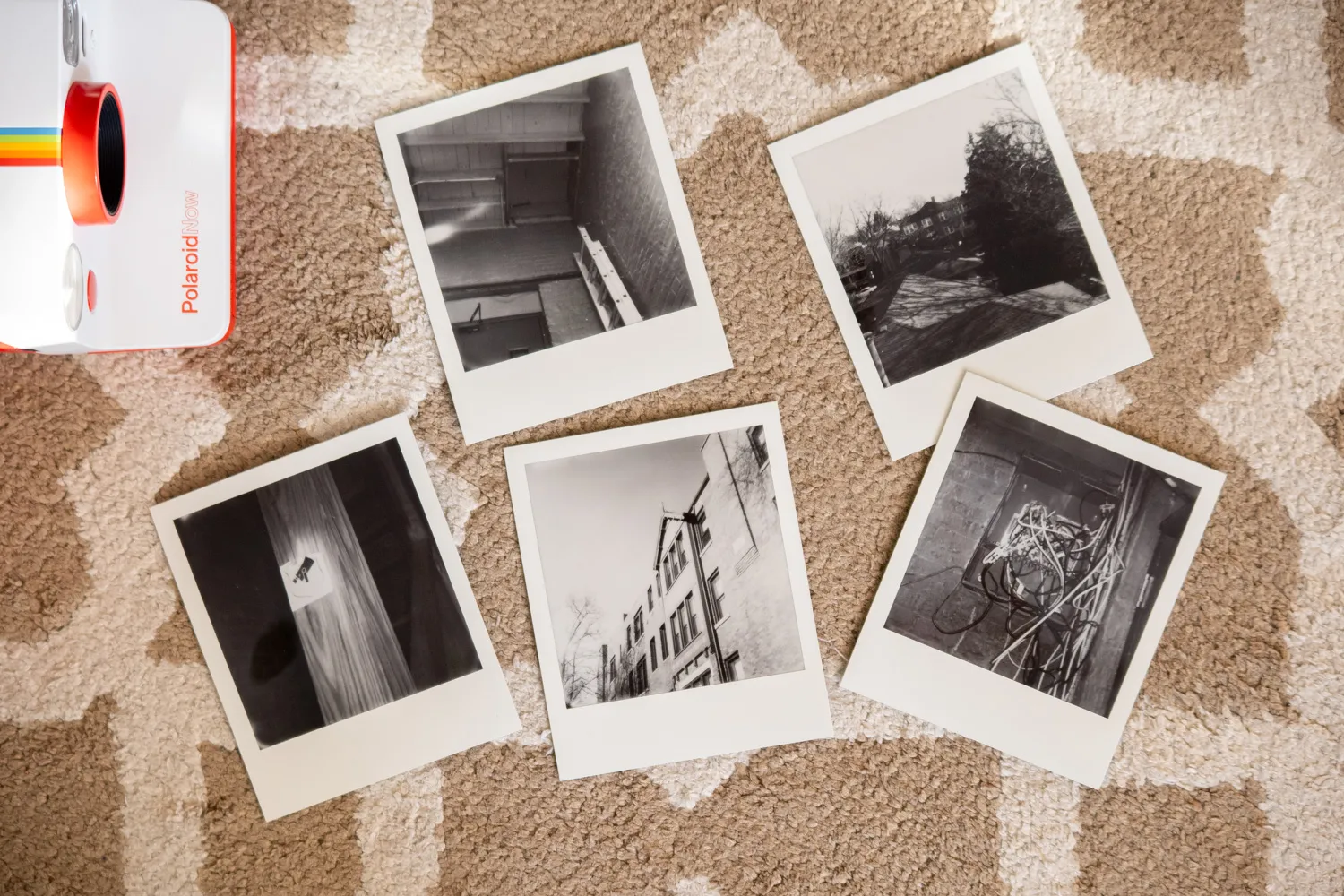
The image layers are thin and chemically sensitive. Over time, exposure to oxygen, humidity, and even mild light will cause gradual breakdown:
- Colors shift and desaturate
- Image contrast decreases
- Edges lose sharpness
- The entire photo begins to “soften” and flatten
Even in a dark drawer, your Polaroid is aging. Maybe slowly, maybe invisibly—but certainly.
It’s Not Just Fading—It’s Losing Visual Memory
People often say, “I can still see who it is, so it’s not that bad.” But it’s not about recognition—it’s about detail.

The fading process erodes more than just color. It removes the subtle depth that makes a photo feel alive:
- Facial contours soften, expressions become unreadable
- Backgrounds blur until they’re indistinct patches of color
- Tonal shifts disappear, making images look flat and emotionless
Eventually, you’re not looking at a memory—you’re squinting at a shadow of one.
And by the time it’s completely faded, even advanced repair tools can’t bring back what’s no longer there.
That’s Why Now Is the Right Time to Restore
The good news is: if you can still see detail today, you can still save it.
More and more people are turning to digital photo restoration—not to “upgrade” their Polaroids, but to preserve what’s still visible before it’s lost.
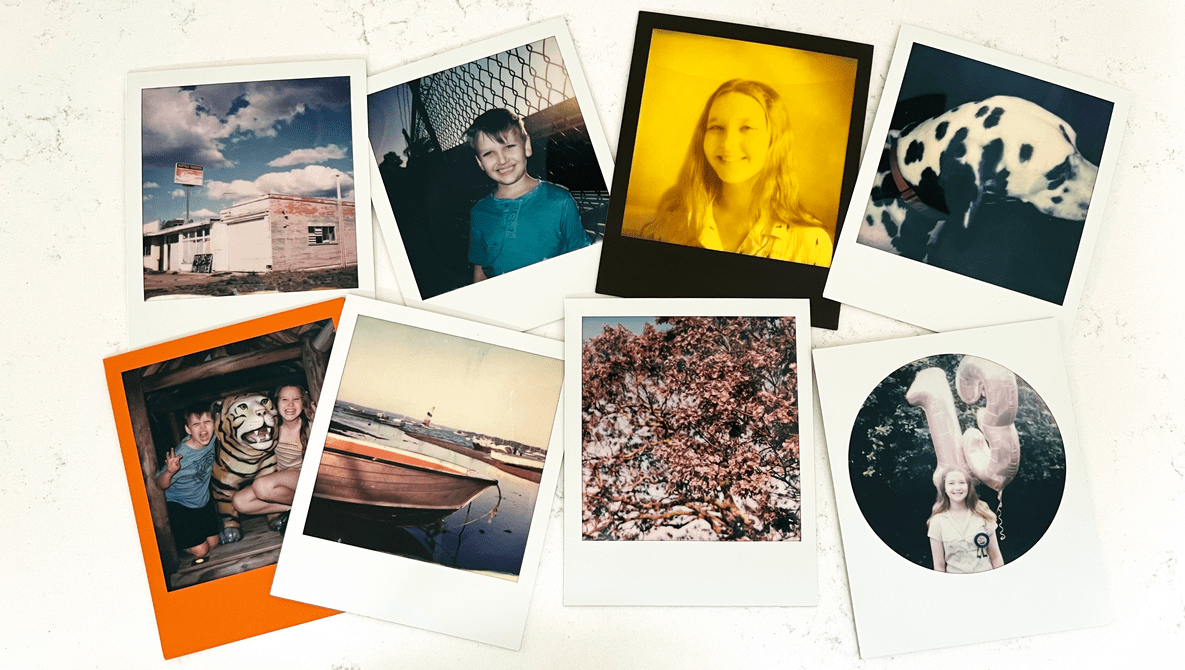
At PicMa, the Repair Damaged Photo feature (on web) and Smart Restore (in the iOS/Android app) are built for this exact purpose. They're designed to restore:
- Faded skin tones and color imbalances
- Washed-out or blurry facial features
- Flattened contrast and missing structure
You don’t need editing skills. Just scan or take a photo of your Polaroid, upload it, and the system will analyze the image and restore it automatically. You can preview the result within seconds and download a high-quality copy to keep.
You Won’t Lose the Original Feel
Restoration isn’t about turning a vintage photo into a digital masterpiece. It's about helping that original moment stay readable.

PicMa doesn’t add filters or artificial gloss. It simply brings back what’s slipping away—softly correcting colors, enhancing structure, and gently restoring clarity—while keeping the character of the photo intact.
You still get the grain, the film texture, the warmth. But now you can see the smile again.
Just a Few Minutes Could Save What’s Left
If you still recognize the face, the place, or the moment in that Polaroid—it’s worth saving.
Here’s how simple it is:
- Take a clear photo or scan of your Polaroid
- Go to PicMa website and open Repair Damaged Photo, or use Smart Restore in the PicMa App (iOS & Android)
- Upload the image and see the restored version in seconds
- Download and archive it—digitally, securely, forever

📷 Want to see what your photo could look like—before it fades any further?
Try Repair Damaged Photo now and preview your result in seconds.
Some memories deserve more than a drawer. They deserve to be seen—clearly, while you still can.



 256
256

 English