AI image generation is quickly becoming a key part of content creation workflows—especially in the area of photo-style image generation. Whether it’s realistic portraits, anime-style photo renderings, cinematic street shots, or stylized magazine covers, prompt-based tools can now produce visual results that closely resemble real photography.
But with the growing number of platforms available, performance varies wildly. Some generate stunning detail and structure; others return distorted faces or fail to understand basic prompts.
We tested 10 of the most popular AI photo generator tools on the market. Each platform was evaluated across five dimensions:
- Image quality
- Style accuracy
- Prompt response
- Consistency
- Ease of use.
Each category was rated on a 10-point scale. Below is our full analysis and results.
1.Leonardo AI (Score: 9.5 / 10)
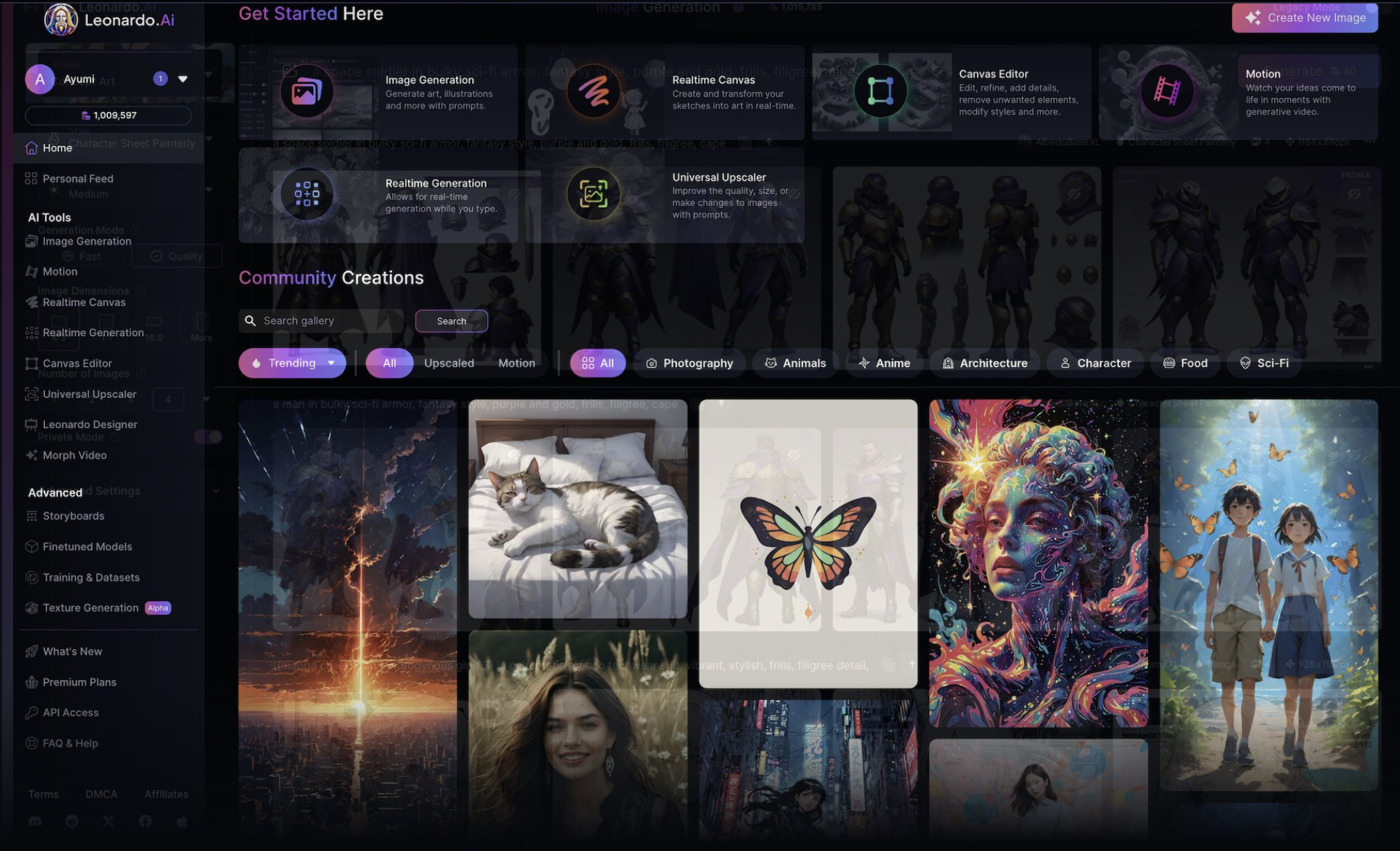
Leonardo currently offers the most balanced performance in photo-style generation. It supports multiple high-resolution models ideal for portraits, fashion shots, or stylized photography. It responds well to prompts involving lighting, composition, and camera settings. The interface is built for creative professionals, but still accessible. Model switching and HD output are smooth and fast.
2.Midjourney v6 (9.3 / 10)
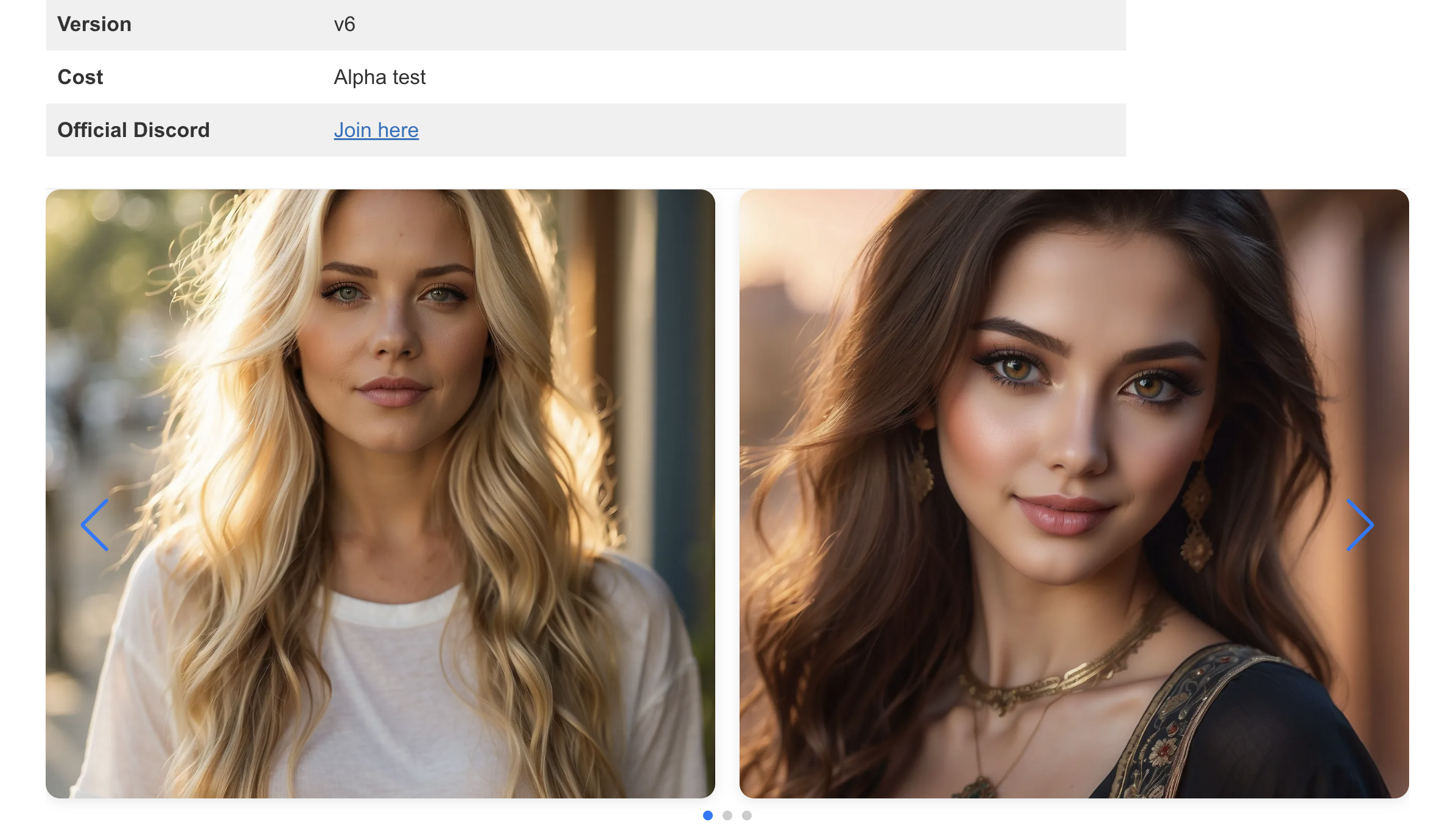
Midjourney is known for artistic composition and strong visual storytelling. With the v6 update, character structure is much more stable—especially faces and poses. While still leaning toward stylized aesthetics, it delivers magazine-style and cinematic results that work well for virtual photography. It requires Discord access and some prompt experience to fully leverage.
3.DALL·E 3 (9.0 / 10)
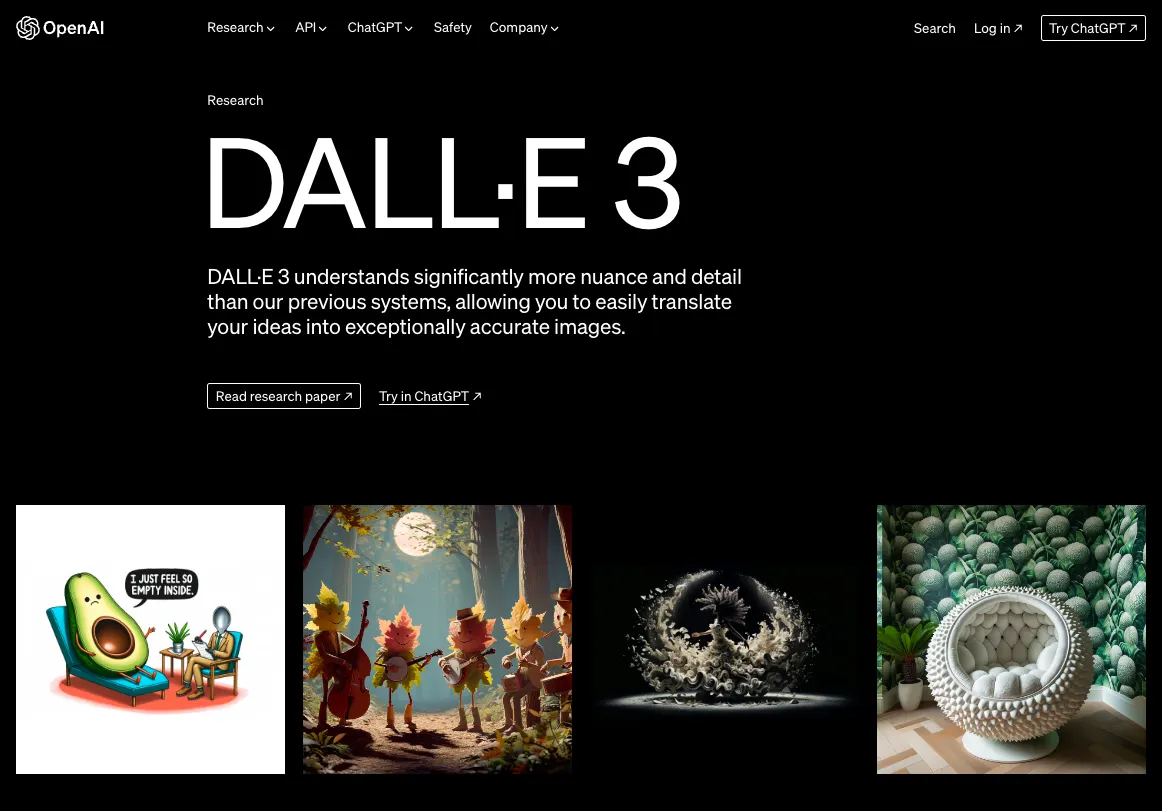
Integrated into ChatGPT Pro, DALL·E 3 excels at understanding prompt language. It handles detailed or multi-object descriptions better than most platforms, and the output remains structurally sound. However, its visuals are more neutral—less stylized or “cinematic” than others. Resolution is also limited, but for precise idea-to-image conversion, it performs reliably.
4.Krea AI (8.6 / 10)
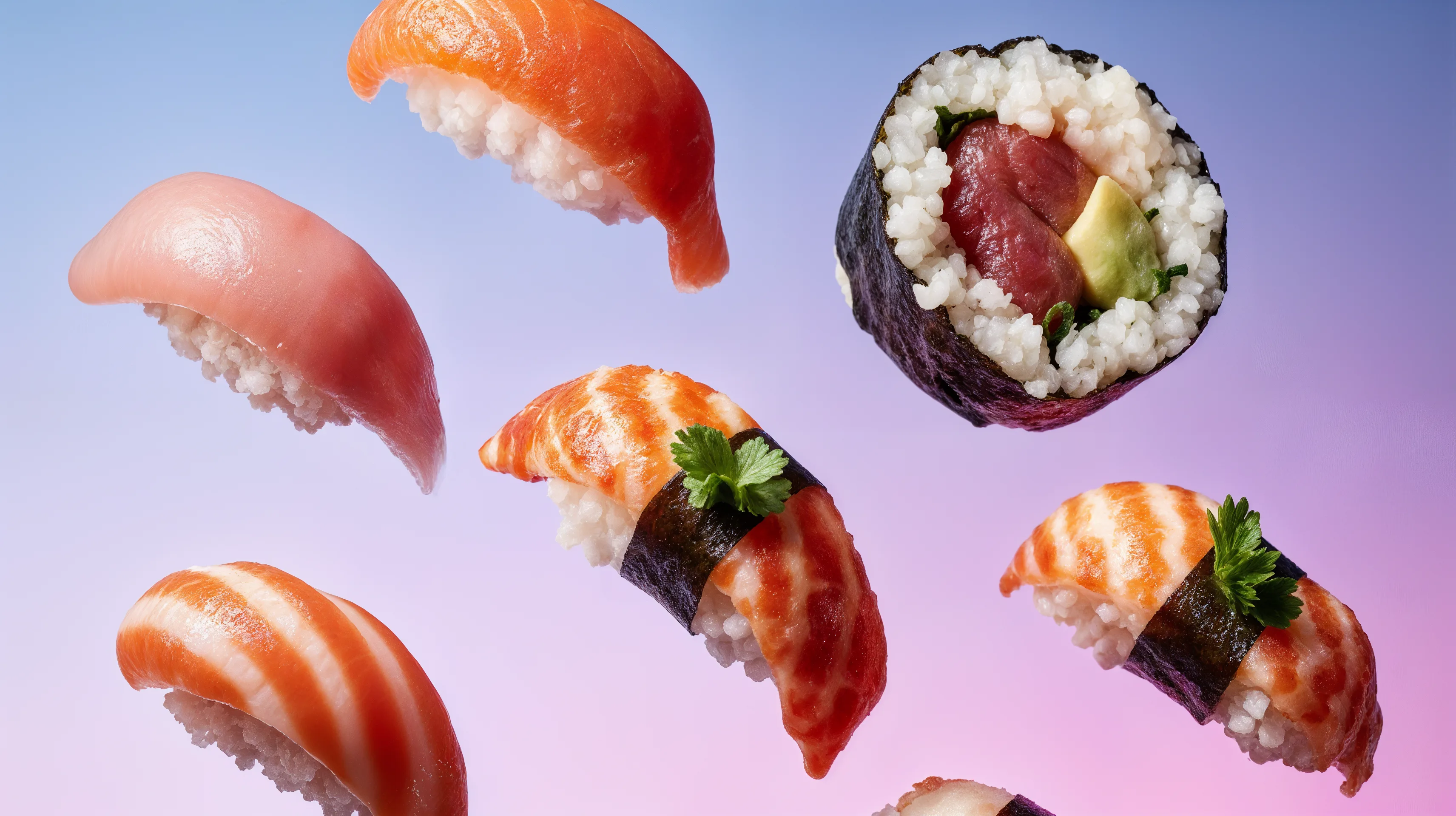
Krea stands out for its structure guidance and reference-based generation. Users can upload pose or layout images and combine them with prompts for more accurate positioning. Its images lean toward realistic photo styles, with clean color control and facial expression rendering. Generation is fast, making it well-suited for content pipelines and client-facing visual projects.
5.PicMa (8.2 / 10)
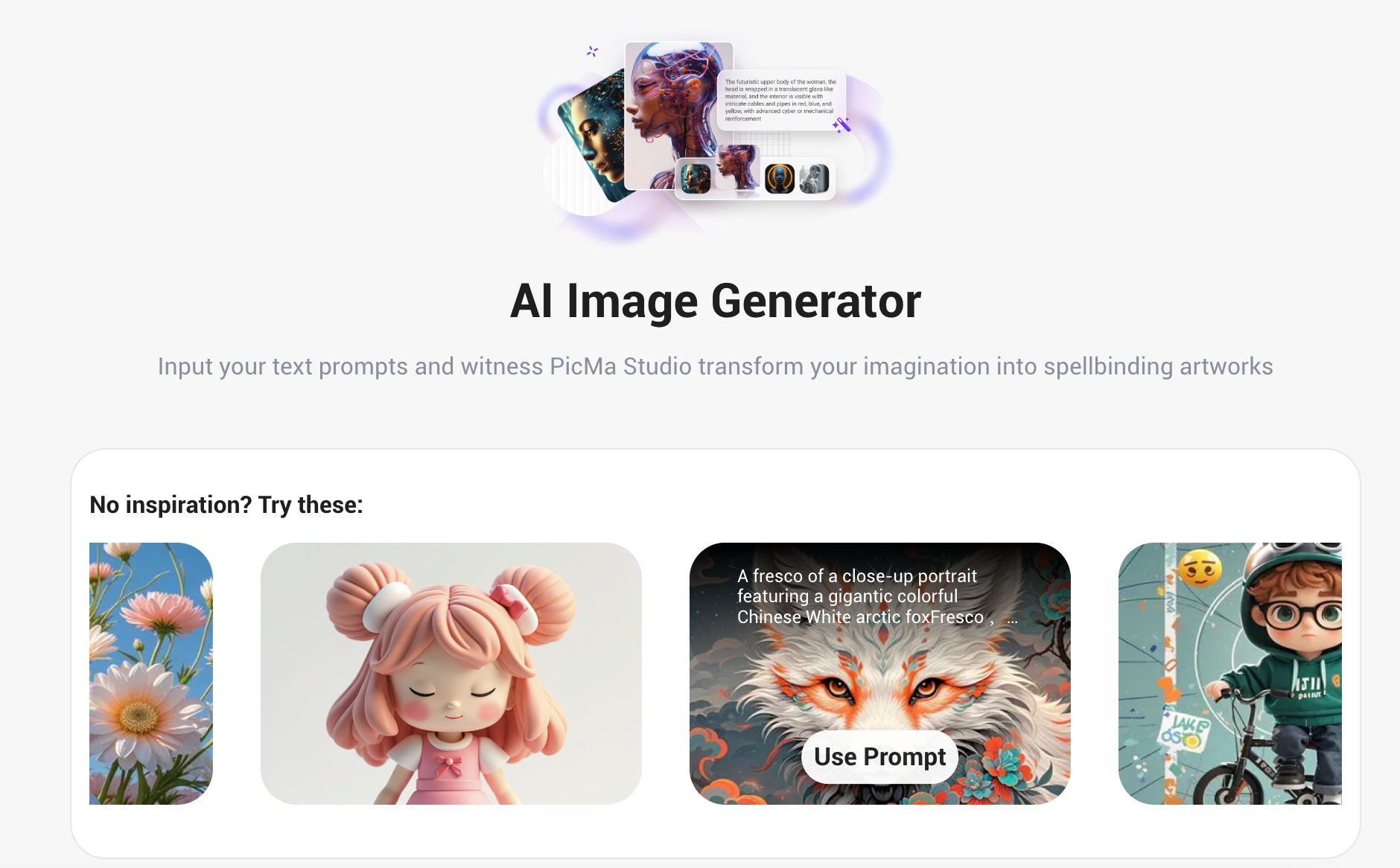
PicMa is a fast, prompt-driven photo generator. It offers several templates or layout tools. And also can stylingmanually through descriptive input. The model defaults to a clean, realistic style with stable structure and consistent lighting. Faces render naturally, without heavy filters or exaggeration.
While advanced effects (e.g., complex lighting or camera angles) are harder to control, PicMa is effective for straightforward prompts and delivers images quickly. It’s best suited for users who already know how to write prompts and want a reliable, efficient tool for social avatars, banners, or draft visuals.
6.Playground AI (8.0 / 10)
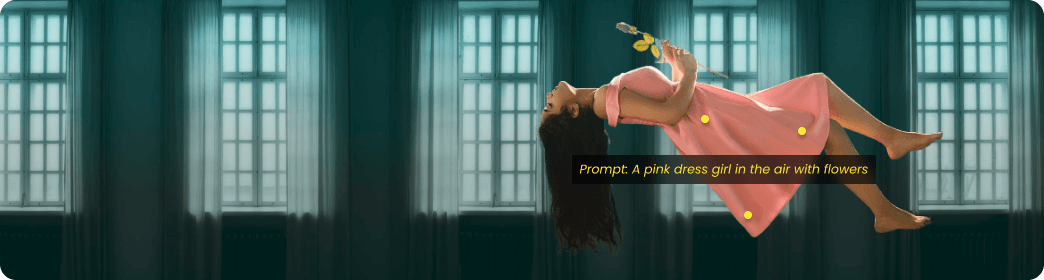
Playground offers a range of Stable Diffusion-based models, with full access to prompt and parameter controls. It’s highly customizable, making it ideal for testing different styles and formats. That said, output quality varies between models. Some render faces or hands poorly. It’s a creative playground rather than a consistent production tool.
7.Photo AI (7.7 / 10)
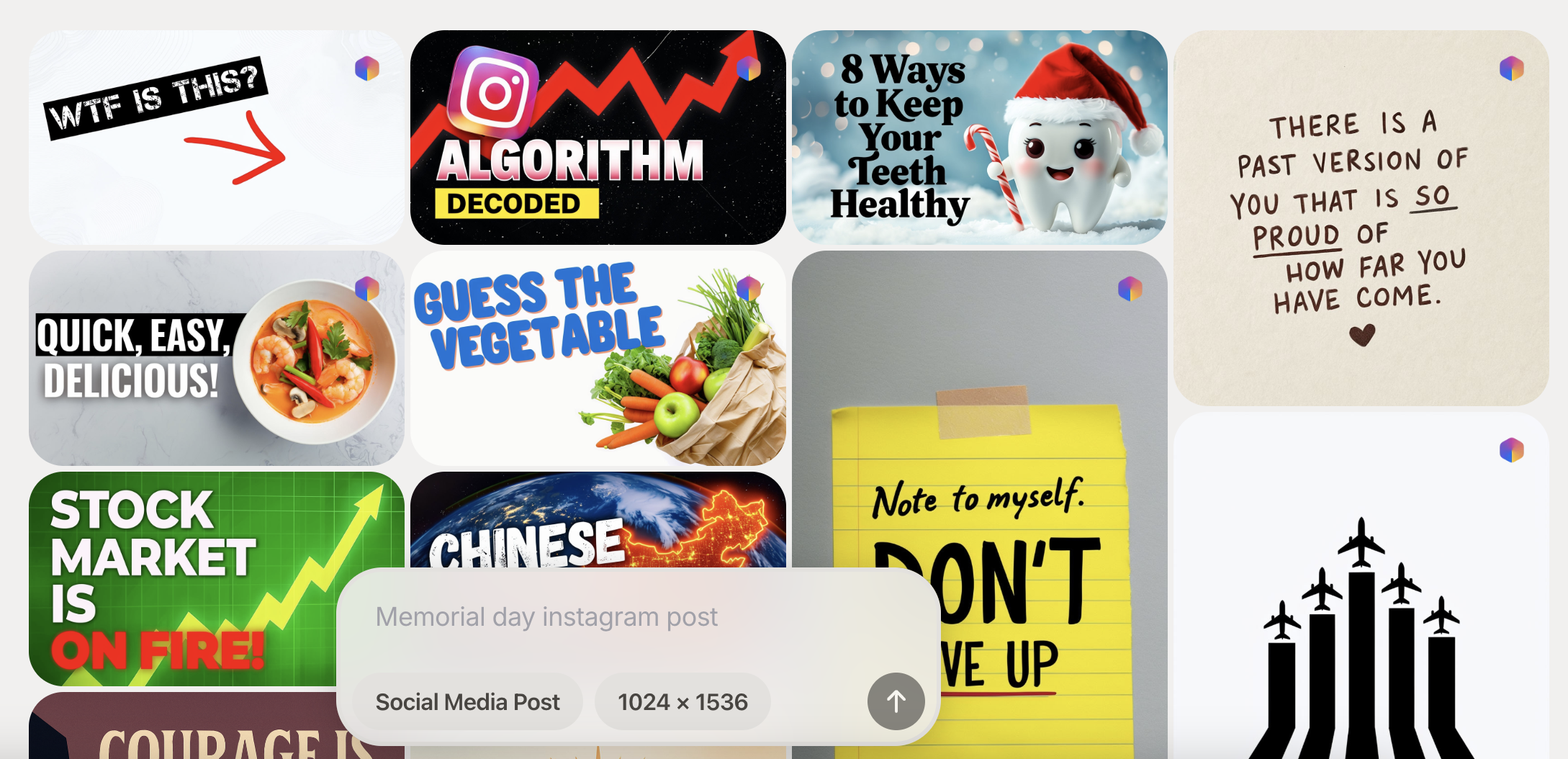
Photo AI focuses on virtual model creation. It allows users to build a consistent character identity and render it in multiple scenes. Facial consistency is strong, and outfits or gestures follow prompts well. But its lighting and realism lag behind others. Best used for batch generation of fashion/product imagery rather than conceptual photography.
8.Mage.Space (7.5 / 10)
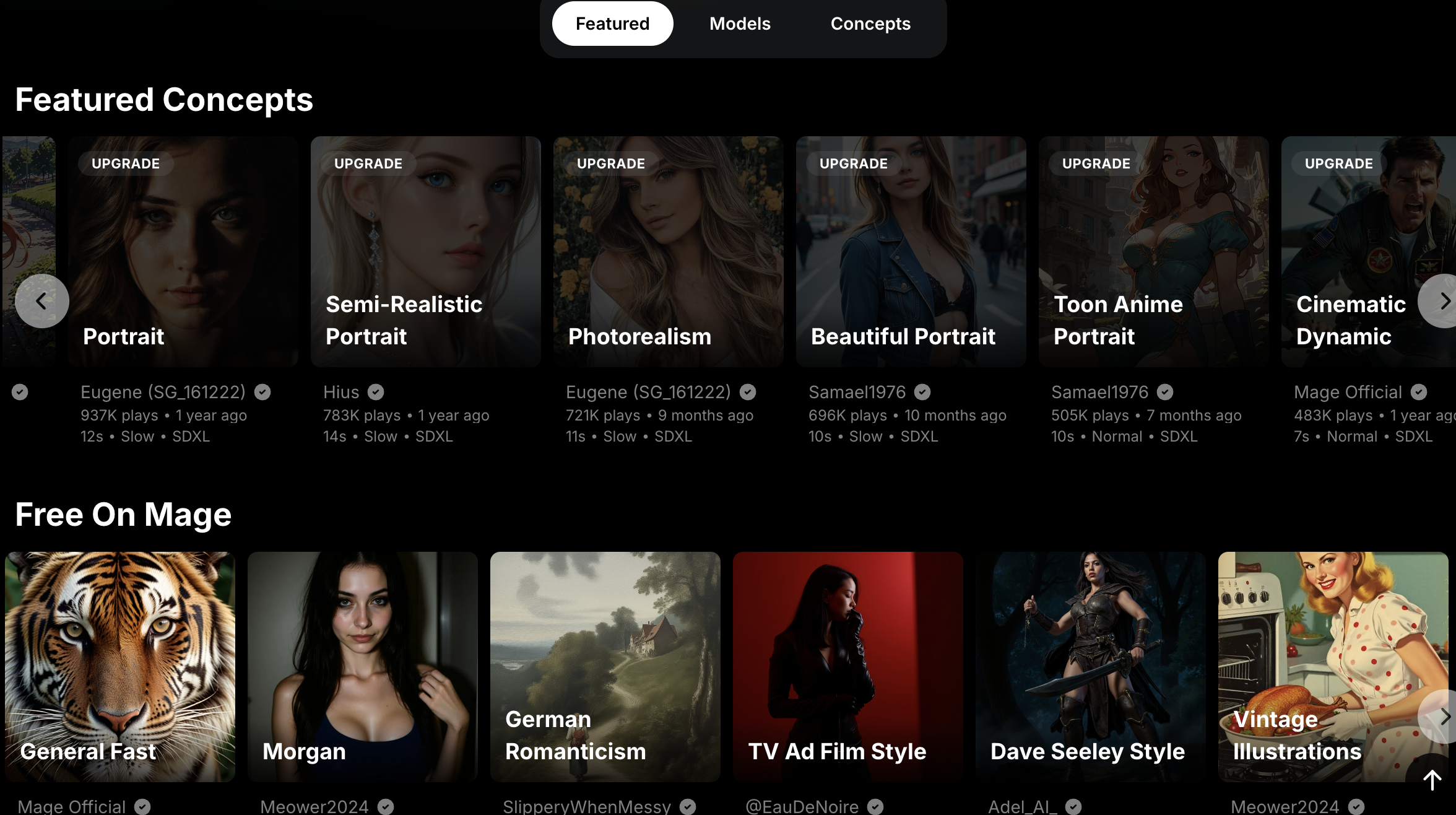
Mage is a lightweight, fast-loading platform aimed at experimentation. It offers quick model switching and basic interface options. However, image quality depends heavily on the model selected. Structural errors like facial distortion or pose misalignment are common, especially with complex prompts. It’s great for testing ideas, not for polished output.
9.BlueWillow (7.2 / 10)
BlueWillow uses a Discord-based prompt flow similar to early versions of Midjourney. It provides fixed style models and basic rendering. Prompt interpretation is weak, and images tend to be either repetitive or structurally unstable. It's accessible to beginners but lacks the fidelity required for real creative production.
10.ArtSmart AI (6.8 / 10)
ArtSmart bundles many AI features—text-to-image, inpainting, background removal—but the interface is cluttered, and generation is slow. Output quality is inconsistent. Facial expressions and poses are often off, and prompt control feels sluggish. Best for hobby testing, not professional image generation.
How to Choose the Right AI Photo Generator?
Each tool has a different strength:
· For top-tier visual quality and style control, Leonardo and Midjourney are currently unmatched.
· If you need a system that can handle precise, descriptive prompts, DALL·E 3 is your best bet.
· And if you already know how to write prompts and want a clean, fast, reliable tool for standard photo-style output, PicMa is a solid middle-ground choice.
The right platform depends less on features and more on what you’re actually generating—portraits, avatars, anime-style visuals, product shots, etc.
Try PicMa’s AI Photo Generator
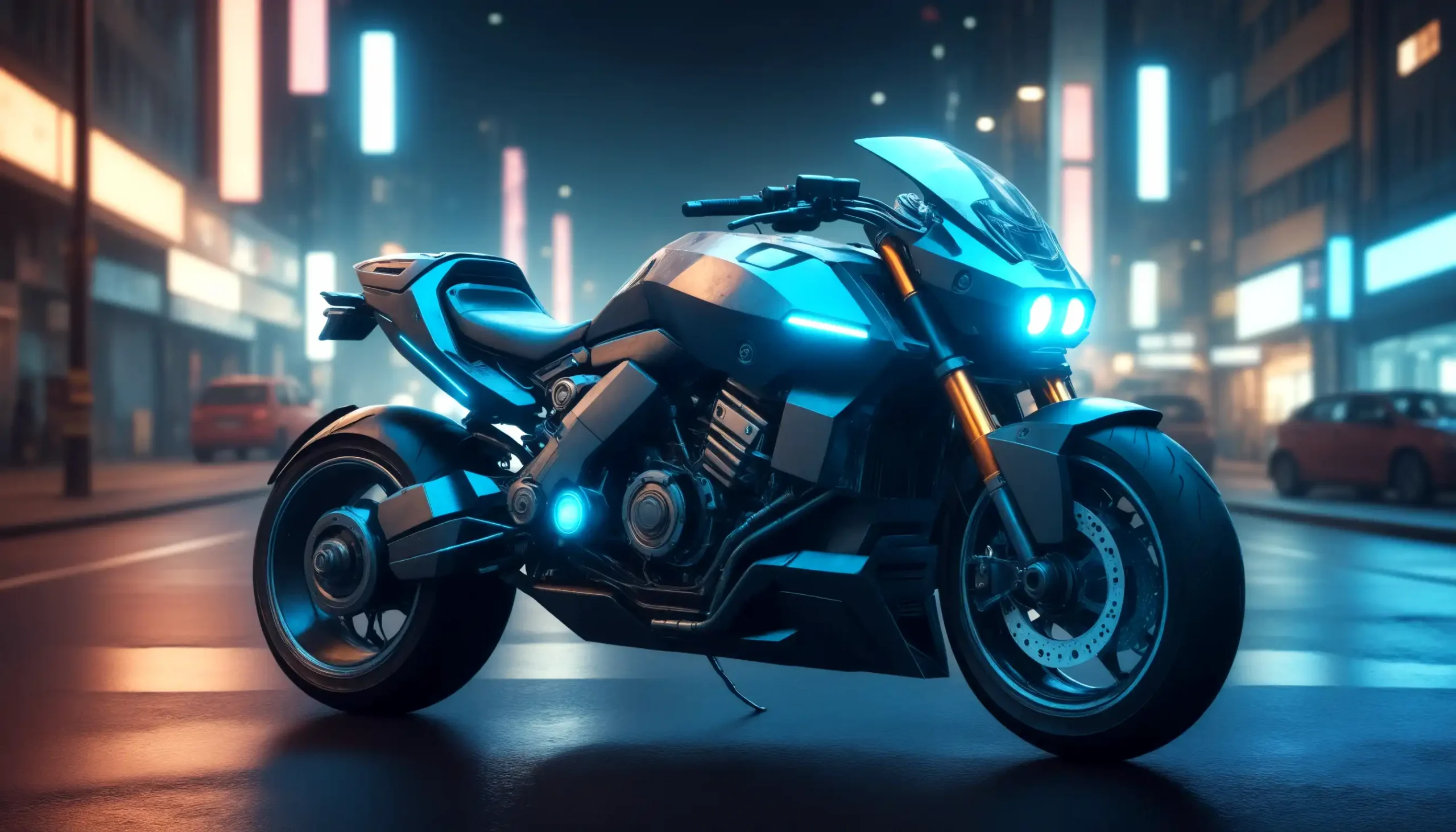
PicMa offers prompt-based AI photo generation with fast output and stable results. It’s ideal for creating avatars, banners, or mockups using clean, realistic visual styles—especially when you value speed and simplicity over stylistic complexity.
Click here to try PicMa and start generating photo-style images from just a single prompt.

 389
389

 English